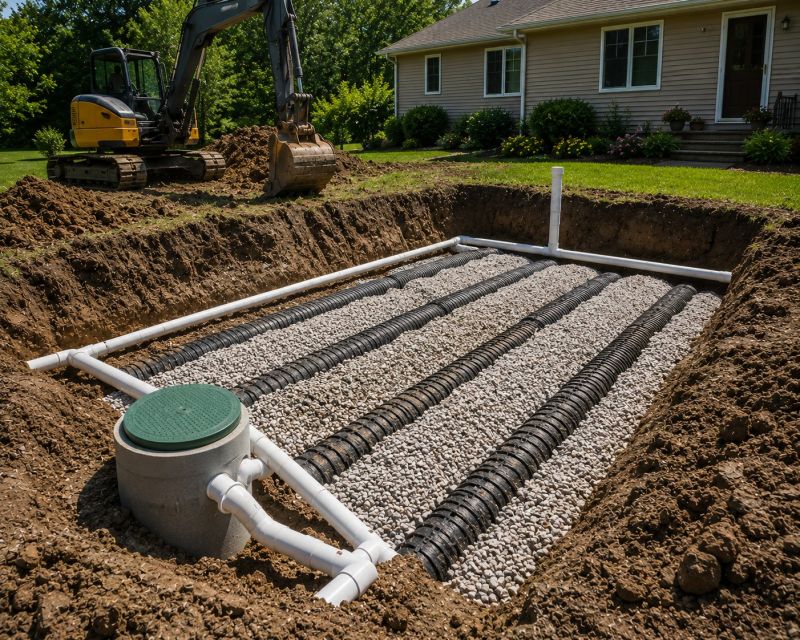
Septic System Relocation in Denver, CO
Septic system relocation services involve moving an existing septic tank and associated components to a new location on a property. This type of project is often necessary when a home is being renovated, expanded, or when the current system no longer suits the property's layout. Property owners typically seek this service to ensure the septic system remains functional and compliant with local regulations after changes to the site. It covers various projects, including repositioning septic tanks, drain fields, and connecting new plumbing lines, all while minimizing disruption to the property.
Before requesting septic system relocation, property owners should understand the site’s soil conditions, local zoning requirements, and the distance from the current system to the desired new location. It’s also important to evaluate access for equipment and any potential impact on existing structures or landscaping. Proper planning helps ensure the new installation meets capacity needs and functions effectively, avoiding future issues with wastewater management. Contacting a professional can provide guidance on site suitability and the necessary steps for a successful relocation.
Many property owners in Denver, CO look into Septic System Relocation for repairs, replacements, upgrades, and appearance-related improvements.
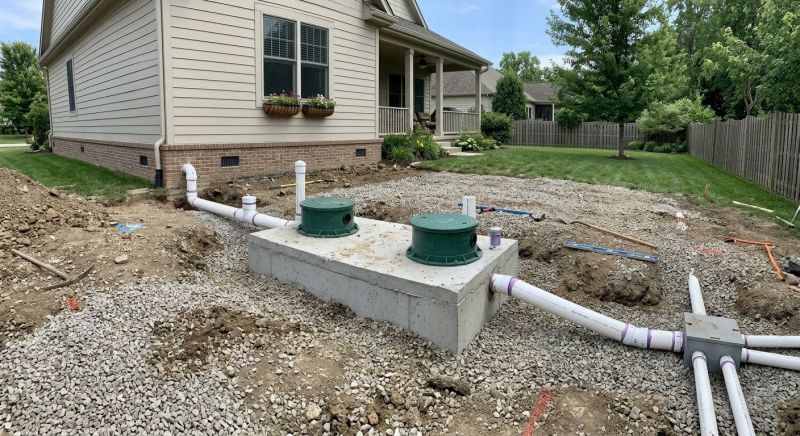
Septic System Relocation Planning
Assessing site conditions and designing a new septic layout to meet property needs.
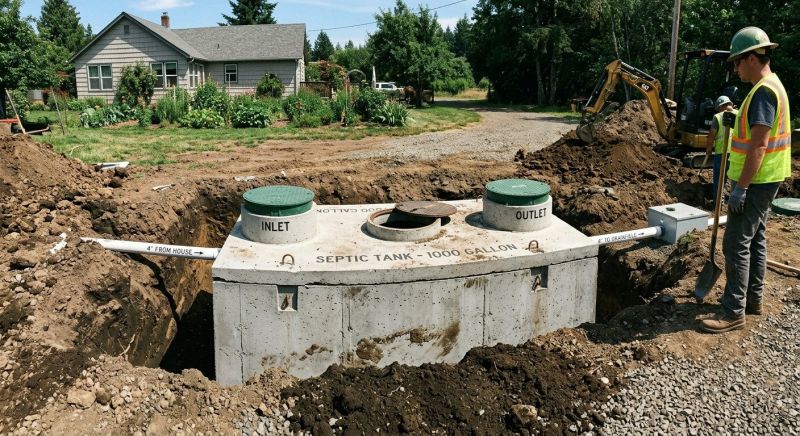
Septic System Removal And Installation
Safely disconnecting the existing system and installing a new one in a suitable location.
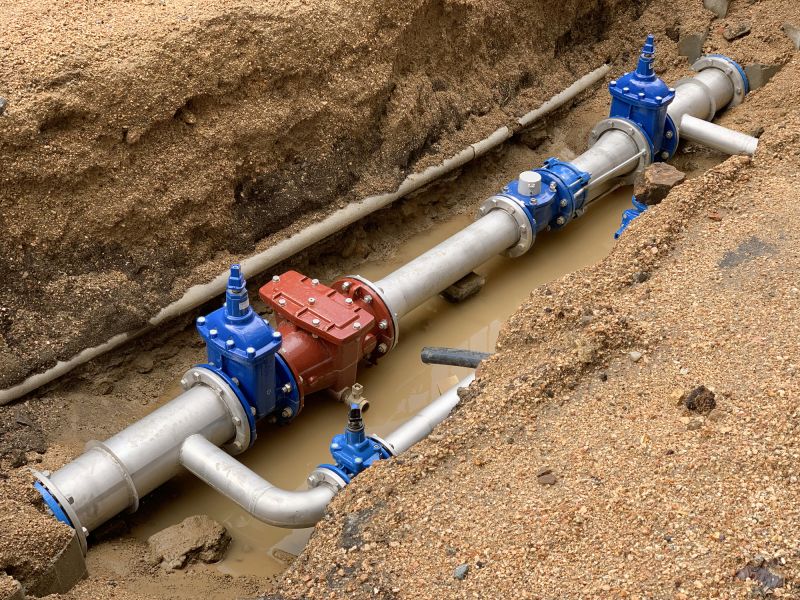
Property And Code Compliance
Ensuring the relocation adheres to local regulations and maintains proper system function for denver area properties.
Septic System Relocation in Denver, CO

Septic system relocation services involve moving an existing septic tank and associated components to a new location on a property. This type of project is often necessary when a home is being renovated, expanded, or when the current system no longer suits the property's layout. Property owners typically seek this service to ensure the septic system remains functional and compliant with local regulations after changes to the site. It covers various projects, including repositioning septic tanks, drain fields, and connecting new plumbing lines, all while minimizing disruption to the property.
Before requesting septic system relocation, property owners should understand the site’s soil conditions, local zoning requirements, and the distance from the current system to the desired new location. It’s also important to evaluate access for equipment and any potential impact on existing structures or landscaping. Proper planning helps ensure the new installation meets capacity needs and functions effectively, avoiding future issues with wastewater management. Contacting a professional can provide guidance on site suitability and the necessary steps for a successful relocation.
Many property owners in Denver, CO look into Septic System Relocation for repairs, replacements, upgrades, and appearance-related improvements.
Common Septic System Relocation Jobs
Septic System Relocation - services involve moving an existing septic system to a new location on the property.
Site assessment and planning - ensure proper placement and compliance with local regulations for the new system site.
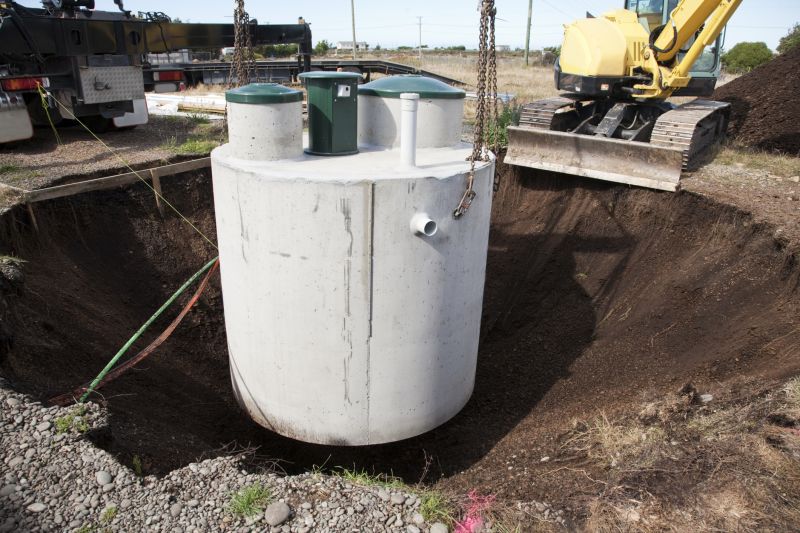
Excavation and removal - involve safely digging up the current septic system for relocation.
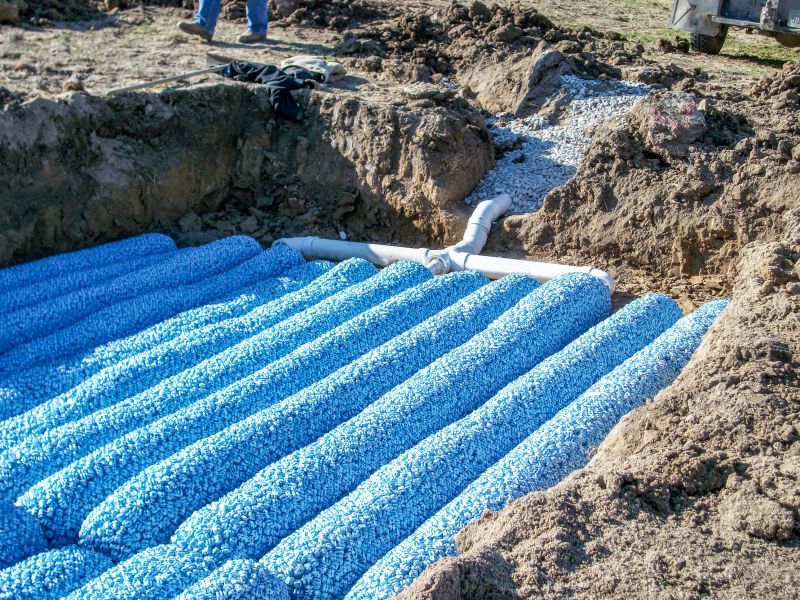
New system installation - includes setting up the septic tank, pipes, and drain field in the new location.
Permitting and inspections - ensure the relocated system meets all local codes and passes necessary approvals.
Post-relocation testing - verifies the system functions properly after installation and before use.
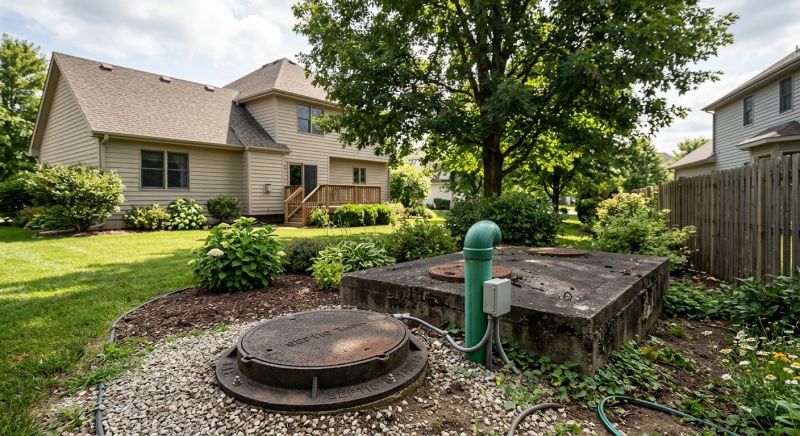
Septic System Relocation Questions
What is involved in relocating a septic system? The process includes excavating the existing system, preparing a new site, and installing the components in the new location to ensure proper function and compliance.
When should a septic system be relocated? Relocation may be needed due to property development, site restrictions, or to improve system performance on the current site.
What property considerations are important for septic system relocation? The new site should have suitable soil conditions, adequate space, and proper drainage to support the system’s operation.
Does relocating a septic system require permits? Yes, permits are typically required to ensure the installation meets local codes and regulations for safety and environmental protection.
Request Septic System Relocation in Denver, CO
Use the quote form on this page to share the basics of your project and request more information for the type of work you need.