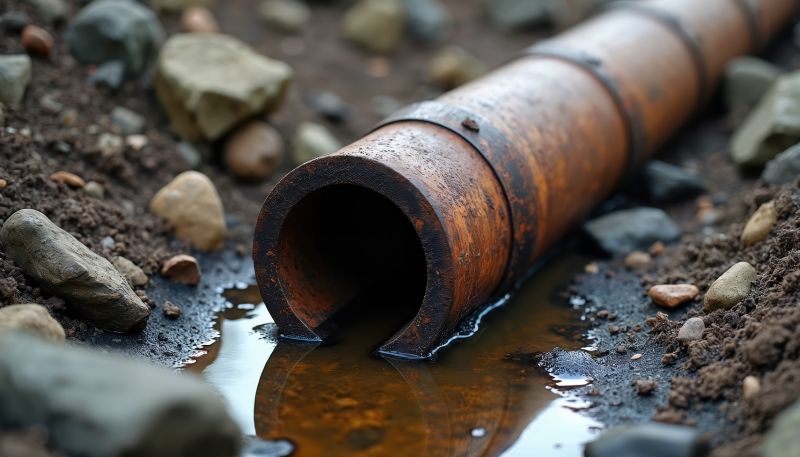
Sewer Repair in Austin, TX
Sewer repair services address issues within a property's underground sewer lines that may cause backups, leaks, or other drainage problems. These projects typically involve locating and diagnosing sewer line problems, such as blockages, cracks, or collapsed pipes, and then performing necessary repairs or replacements to restore proper function. Homeowners often request sewer repair when experiencing persistent drain clogs, foul odors, or slow drainage, especially if these issues affect multiple fixtures or seem to worsen over time.
Before requesting sewer repair, property owners should understand the scope of the problem, including whether the issue is isolated or widespread, and if any visible signs like standing water or unusual smells are present. It’s also helpful to know the location of the main sewer line and any previous repairs or renovations that may impact the current work. Clarifying these details can assist in determining the most appropriate repair approach and ensure the project addresses the underlying cause effectively.
Many property owners in Austin, TX look into Sewer Repair for repairs, replacements, upgrades, and appearance-related improvements.
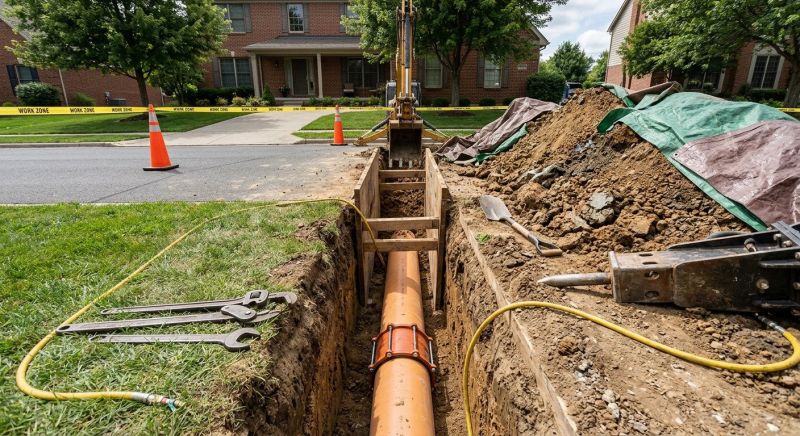
Signs Of Sewer Issues
Common indicators include slow drains, foul odors, or sewage backups in your property.
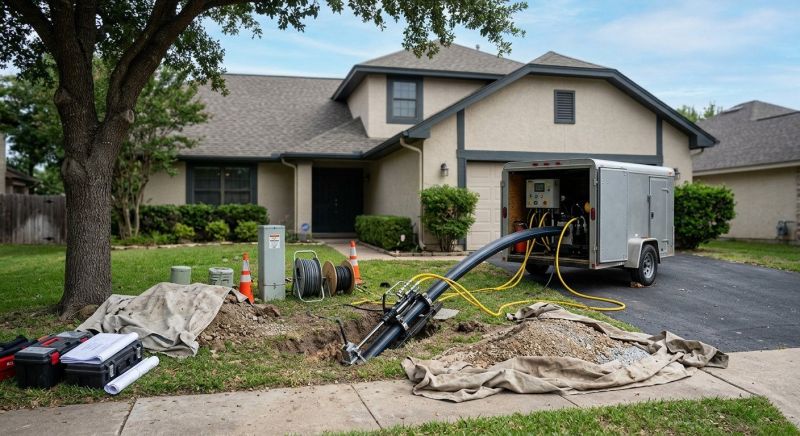
Common Sewer Repairs
Repairs often involve pipe patching, replacement of damaged sections, or complete sewer line replacement.
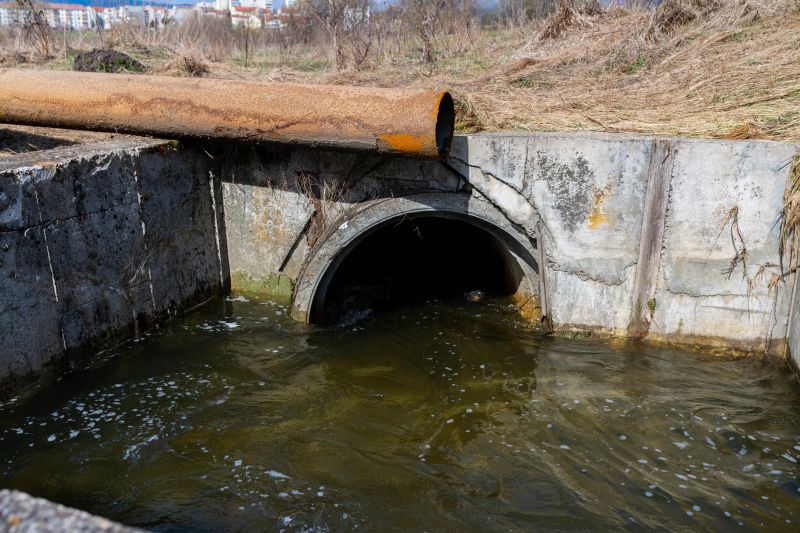
Preventive Maintenance
Regular inspections and timely repairs help prevent major sewer problems in austin homes and businesses.
Sewer Repair in Austin, TX

Sewer repair services address issues within a property's underground sewer lines that may cause backups, leaks, or other drainage problems. These projects typically involve locating and diagnosing sewer line problems, such as blockages, cracks, or collapsed pipes, and then performing necessary repairs or replacements to restore proper function. Homeowners often request sewer repair when experiencing persistent drain clogs, foul odors, or slow drainage, especially if these issues affect multiple fixtures or seem to worsen over time.
Before requesting sewer repair, property owners should understand the scope of the problem, including whether the issue is isolated or widespread, and if any visible signs like standing water or unusual smells are present. It’s also helpful to know the location of the main sewer line and any previous repairs or renovations that may impact the current work. Clarifying these details can assist in determining the most appropriate repair approach and ensure the project addresses the underlying cause effectively.
Many property owners in Austin, TX look into Sewer Repair for repairs, replacements, upgrades, and appearance-related improvements.
Common Sewer Repair Jobs
Sewer line replacement - involves installing new sewer lines to replace damaged or aging pipes.
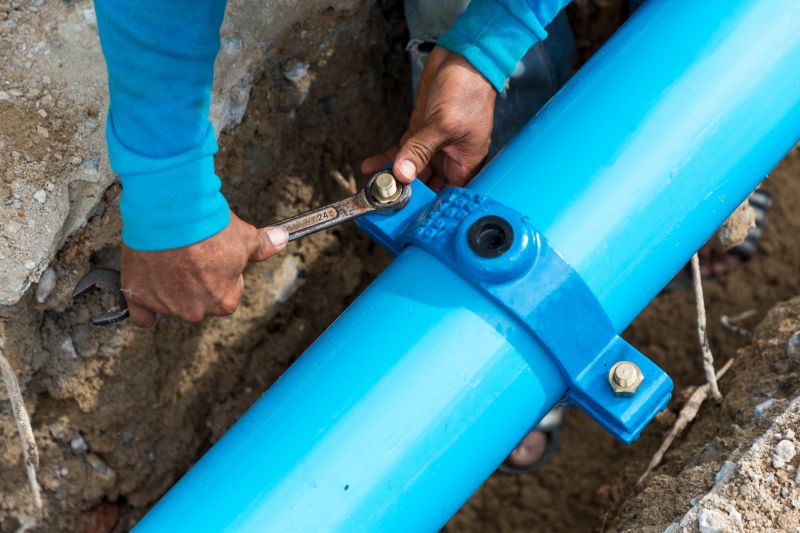
Sewer pipe repair - addresses leaks, cracks, or blockages in existing sewer pipes.
Drain cleaning and clearing - removes clogs and debris to restore proper sewer flow.
Video camera inspections - diagnose pipe issues with detailed visual assessments.
Trenchless sewer repair - offers minimally invasive solutions to fix sewer problems without extensive digging.
Sewer system maintenance - helps prevent future issues through routine inspection and servicing.
Sewer Repair Questions
What signs indicate a sewer line needs repair? Signs include persistent backups, foul odors, slow drains, or unusual lush patches in the yard.
What types of sewer repairs are commonly performed? Common repairs include pipe patching, replacement of damaged sections, and rerouting problematic lines.
How can property owners prevent sewer issues? Regular inspections, avoiding flushing non-degradable items, and proper disposal of grease can help prevent problems.
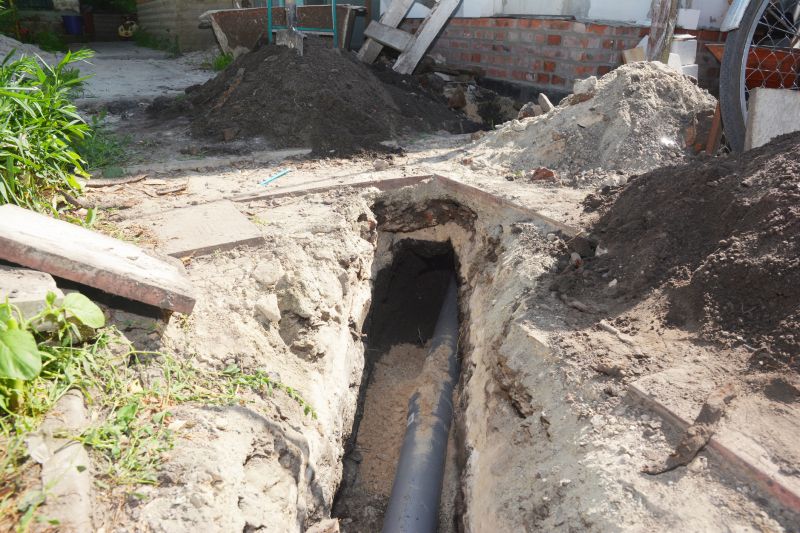
What should be expected during a sewer repair project? The process typically involves inspection, excavation, repair or replacement, and restoring the area afterward.
Request Sewer Repair in Austin, TX
Use the quote form on this page to share the basics of your project and request more information for the type of work you need.